About Calmistry
We look at stress the way engineers look at materials.
Same pressure, different people, different evenings. Calmistry is a free way to see how stress moves through you, in plain words, and a fair, open study of an old question that matters to a very large number of people.
1 · The idea
Nobody tells a bridge to be more resilient. Engineers ask what the load is doing to it.
We borrowed thirteen questions from materials science.
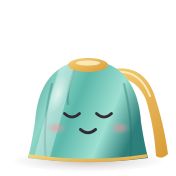
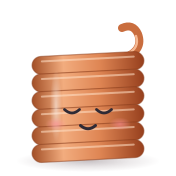
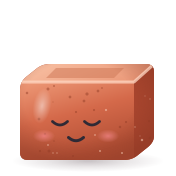
Engineers have spent a long time studying how materials take load. Rubber gives it back. A sponge soaks it up. Bamboo bends and springs back, and glass holds firm until it snaps. Metal can get tired from small, repeated knocks, and a heavy load left on for months slowly changes a shape.
We took thirteen of those questions and wrote them in everyday words, in the order stress happens: what gets in, what changes when it hits, what repeats do, and what stays afterwards.
The thirteen, stage by stage
- 1What gets inBounce off · Hold in · Let out · Other people's moods
- 2What changes when it hitsWhen plans change · When it starts to count · Bend or snap · Under pressure
- 3What repeats doSecond time round · Small things, again and again · A long, heavy load
- 4What stored stress doesHow long it stays · What's left after
People are not rubber or glass. The picture is a way to ask clear, two-sided questions, and every end has a cost and an upside.
2 · The mission
The meeting ended at six. For one person, so did the meeting.
Help people understand how stress moves through them.
For another person, the same meeting kept going in their head until two in the morning. A third fixed the problem that evening and woke up exhausted. Same event, three different aftermaths. The word “stress” covers all three and explains none of them.
Most advice tells everyone to be stronger or to relax. We would rather help each person see their own pattern: where pressure gets in, where it bends them and where it stays. A short quiz, plain words, no scores about you, free to use.
Our goal is one million people understanding one ordinary moment of their own a little better. That is a goal, not a count. It means building for people who may never read a research paper or pay for specialised support.
3 · The study
An old tradition makes specific claims about people. It deserves a fair test, not a laugh and not a sales pitch.
A fair scientific test of Vedic astrology and stress.
In India, Vedic astrology is part of everyday life: a wedding date, a new job, exam season. In a large survey of almost 30,000 Indian adults, 44% said they believe in astrology (Pew Research Center, 2021). For many families it is the first place they look to understand temperament, long before psychology.
Yet nobody has fairly tested whether its ideas about the mind line up with how people actually take stress. So we are running that test, in the open. With a separate yes, people share their birth date, time and place. We then check, across many people, whether features worked out from those details line up with the thirteen measures any better than chance.
Our fair-test promise
- 1We write down what we expect before we look.Which features we will check, and what would count as a yes, are fixed before we open the data.
- 2We compare real birth details with shuffled ones.If a pattern is real, it should show up with the real details and not with the same answers paired with someone else's.
- 3We publish what we find, even a no.If there is nothing there, people deserve to know that too.
If patterns do show up, they could help a very large share of the world's population understand themselves in a language they already trust. If they do not, that is worth knowing just as much. Either way, your own result never uses your birth details, and nobody reads your chart to you.
Read more

More, if you want the details
- The research hub and how to take part
- What research has found so far
- How the quiz is built
- Using Calmistry with a team
Calmistry is made by Think North Consulting. Its ideas draw on published research in stress physiology, emotion science and cognitive psychology; the questions and measures are our own, and still being tested. thinknorth.consulting