A Think North research initiative
Why does the same thing barely bother one person and stay with another for days?
- One person gets criticised and moves on.
- Another spends the evening replaying the conversation.
- A third makes a plan, fixes the problem, gets everything done, and somehow ends up exhausted.
Same situation. Three very different stories.
Free to explore. Research participation is optional. No diagnosis, no miracle promises.
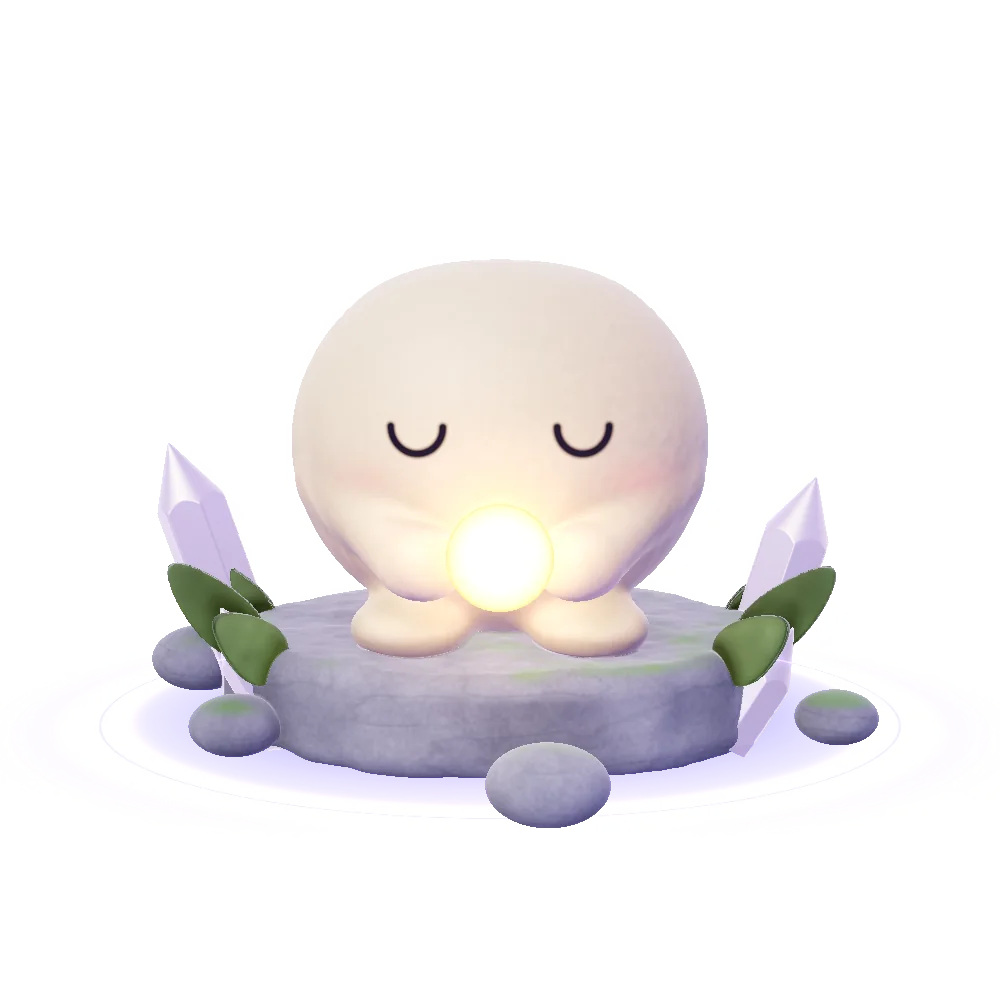
- PorosityHow much of the room gets in?
- StiffnessHow much does it take to move you?
- Half-lifeHow long does it stay with you?
What the animation shows
- 01 · The question. The same load lands on three specimens. One deflects it, one compresses, one keeps ringing. What makes the difference?
- 02 · Decades of research. Physiology, appraisal, emotion, behaviour, relationships and time each explain part of a stress response, and some models already connect them.
- 03 · The proposed bridge. What if those pieces could fold into one compact, readable pattern for one person?
- 04 · Human stress mechanics. What gets in. What changes. What stays. What leaves. Five processes, thirteen proposed measures.
- 05 · Twelve materials. Glass, sponge, sandstone: twelve materials describe patterns of response, not permanent identities.
- 06 · The invitation. We're building Calmistry to find out whether the pattern helps. Start with one question.
What's in it for you
Two minutes. A clearer picture of what pressure does to you.
Name what's actually happening
Not just "I'm stressed". Which part is doing the damage: what gets in, what builds up, or what refuses to leave.
Something to try that fits
Small practices matched to your pattern, so you stop being handed the same advice for every problem.
Words for the people around you
Compare privately with a partner, friend or family, and stop mistaking a different reaction for not caring.
Free, private, no sign-up
Your answers stay yours. Joining the research is a separate yes, asked only after your result.
Pick where to start
Start with the question you actually have.
-
01
There's one thing I want to understand.
Why can't I stop replaying something? Why does a small problem ruin an otherwise good day? Why does work follow me home? Start with that one question.
Take a 2-minute quiz -
02
I want to understand how people around me differ.
You know that friend who stays relaxed through something that has you pacing around the house? Or the family member who seems composed until much later? Invite people into a private Calmistry Box and explore group-level patterns together.
Make a Box Or compare with one person -
03
I want to explore the whole picture.
Go beyond one situation. Explore the thirteen proposed measures through twenty-six short rounds, and see where your answers point, where they overlap, and where the result remains uncertain.
Take the full 15-minute assessment
Or start with whatever's loudest right now:
Each opens a 2-minute quiz about exactly that.
- I can’t stop replaying somethingA conversation, a mistake, an awkward moment
- Work keeps following me homeThe pressure ends; the feeling doesn’t
- Other people’s moods get into mineSomeone changes their tone and I feel it
- I’m waiting for something importantA result, an answer, a decision
- My body won’t switch offJaw, shoulders, stomach, sleep
- I’ve been carrying something for monthsThe same responsibility, every day
- I’m curious how I workFind my pattern and compare
Why we built this
And yet, when it comes to stress, everyone seems to have the same advice.
Take a break. Think positive. Don't overthink. Just relax.
Ghar pe, office mein, family WhatsApp group mein. Same four lines, forwarded with love.
Lovely. But what, exactly, is supposed to relax?
Most of us grew up with exactly one word for all of this: tension. “Tension mat lo.” Nobody asked what kind, or where it went.
So the one who goes quiet gets called moody, the one who talks it out gets called dramatic, and the one who never cracks gets handed more, right up until the day they can't take any more.
We're trying to understand that.
Calmistry is a research initiative exploring how pressure affects different people: what gets through, what changes, what builds up, what stays, and what helps us recover. We want to make those differences easier to understand, and keep testing whether our framework describes them reliably.
We borrowed an idea from engineering. Not because people are machines.
Engineers know that two materials under the same load don't behave alike. One bends. One springs back. One shrugs off a heavy load and slowly wears down under repeated small ones.
None of them is a bad material. They have different properties. We started asking the same questions about people, using what psychology already knows.
Today, we're investigating five parts of the stress response.
-
01 · Contact
What gets through?
Why does something affect one person and barely register for another?
-
02 · Deformation
What changes?
Do you act, adapt, withdraw, hold steady, or respond in some other way?
-
03 · Adaptation & wear
What builds up?
What happens when pressure repeats, or lasts much longer than expected?
-
04 · Aftermath
What stays?
Why can a stressful moment be over while its effects continue?
-
05 · Recovery
What helps?
What might help different people settle, recover or regain perspective?
- Tested through practices and follow-ups
We've organised these questions into thirteen proposed measures, with twelve materials as memorable illustrations of different patterns.
It's a model we're building and testing. Not a set of thirteen established laws about people.
-
 Quartz
Squeeze it and it makes something.
-
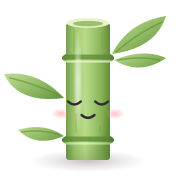 Bamboo
Bends almost flat, upright by morning.
-
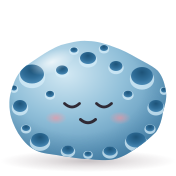 Sea Sponge
Picks up the room before anyone speaks.
-
 Pearl
Layers over the irritant, slowly. Sometimes it turns precious.
-
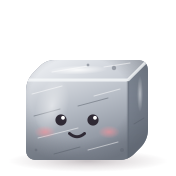 Forged Steel
Heated, hammered and, with tempering, harder for it.
-
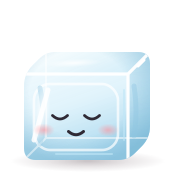 Tempered Glass
Strong shell. Shows little until it shows a lot.
-
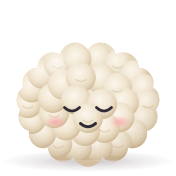 Wool
Picks up the static in a room.
-
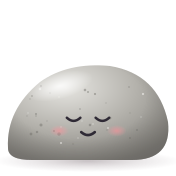 River Stone
Carries the current for years. Lets time do the smoothing.
-
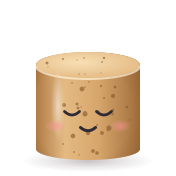 Cork
Springs back before the kettle boils.
-
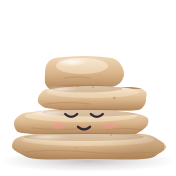 Sandstone
Fine in a storm. Undone by a dripping tap.
-
 Beeswax
Takes the shape of the longest press.
-
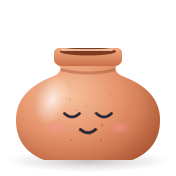 Terracotta
Steady outside, slow to cool.
See it with twelve fictional colleagues.
You're the manager. Same instructions, same targets, and twelve completely different quarters. Make seven decisions and watch all twelve react at once: who looks fine, who's quietly carrying it, and what the busy weeks cost later.
Seven decisions · twelve colleagues · go at your own pace · no right answers
Manage the world's most confusing sales teamOur research goal
10,000 curious adults. One open question.
We're inviting 10,000 adults to help build a better understanding of human stress mechanics. Different ages, jobs, families and ways of handling pressure. Not ten thousand people who think like us. Especially not that.
Together, we're trying to answer:
- 01Can we reliably describe how people respond to pressure?Do our proposed measures behave consistently? Are we capturing distinct patterns, or just inventing new names for things already known?
- 02Does a person's response change with context and time?Can we distinguish a temporary difficult week from a more persistent pattern? Do retests and independent observations support the same conclusions?
- 03Can understanding those patterns eventually make stress-management advice more useful?Could it help us investigate which kinds of support work for which people, and when?
We're running this research to validate, or invalidate, our hypotheses: keep what holds up, improve what doesn't, and make whatever works accessible to far more people than took part. Heading towards a world that understands and manages stress mechanics better.
You stay in control
- Taking a quiz isn't permission to use your answers for research.
- Improving the assessments and joining the optional birth-timing study are separate choices.
- Your individual answers are not made public through group comparisons. You can manage and withdraw research permissions.
- We explain what is collected, how it's used, how long it's kept, and what deletion can and cannot undo.
Explore the research and open questions Read exactly how we handle your information
10,000 is a goal, not a count. The quality of the evidence matters more than the number.
The goal isn't to make everyone calm in the same way.
It's to understand why we aren't, and to make what helps easy to find.
Come be curious with us.
Calmistry · Understanding what pressure does to us. A research initiative by Think North Consulting.